


Oshōgatsu, the Japanese New Year, is the most important annual celebration in Japan. During this time, streets grow quiet, the gentle scent of incense fills homes, and families carefully prepare their first ceremonial meal of the year. Celebrated according to the Gregorian calendar from January 1st to January 3rd—known as Sanganichi—Oshōgatsu differs greatly from the lively New Year festivals seen elsewhere. Instead, it is characterized by solemnity, tranquility, and a strong emphasis on spirituality and family, creating an atmosphere of reflection and reverence. Japanese people devote this time to family gatherings, inner calm, and mental preparation for welcoming a pure and fortunate new year.
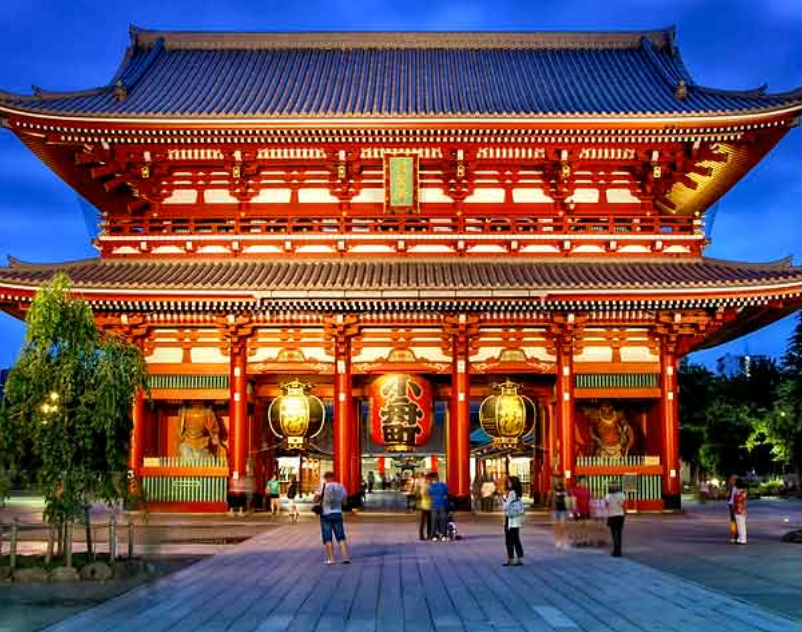
The origins of Oshōgatsu lie in ancient Shinto beliefs, in which people welcome Toshigami—the deity of the New Year—who brings blessings, protection, and good fortune to households and communities. New Year rituals are closely associated with purification and renewal, helping people dispel misfortune from the past year and embrace positive energy. Historically, Japan once celebrated the New Year according to the lunar calendar and was influenced by Chinese cultural traditions. However, these customs were gradually adapted to reflect Japan’s unique cultural identity. In 1873, during the Meiji era, Japan officially adopted the Western calendar and began celebrating the New Year on January 1st, shaping Oshōgatsu into the form we recognize today.
At its core, the meaning of the Japanese New Year extends far beyond a holiday break. Oshōgatsu reflects a profound life philosophy—beginning the year in a state of purity, cleansing worries and burdens of the past, and embodying the Shinto concept of purification (misogi). It is also a time for family reunions, returning to one’s hometown, and honoring ancestors through spiritual rituals. Japanese people pray for happiness, prosperity, longevity, and peace, guided by values of order, mindfulness, and thorough preparation. Rather than noise or extravagance, Oshōgatsu emphasizes discipline, simplicity, and refined restraint—hallmarks of Japanese aesthetics and way of life.
The atmosphere of Oshōgatsu is distinctly different from other New Year celebrations around the world. Life appears to slow down: shops close, transportation becomes limited, and the usual fast-paced rhythm of urban Japan temporarily pauses. People dedicate themselves to family life and spiritual reflection, embracing stillness as a way to ensure a “clean beginning.” This quietness stands in striking contrast to Japan’s modern, high-speed society, offering a rare and precious moment for contemplation and renewal.
Traditional Japanese New Year: Distinctive Cultural Values
Despite Japan’s advanced technological development, Oshōgatsu continues to preserve its spiritual and traditional essence. Younger generations still maintain core customs such as family gatherings and religious observances, demonstrating the enduring value of this celebration. Oshōgatsu has become a symbol of balance—between tradition and modernity, between relentless daily routines and the human need to reconnect with one’s roots.
Although uniquely Japanese in nature, Oshōgatsu shares a meaningful resonance with the Vietnamese Lunar New Year (Tết). In both cultures, people turn toward their origins, cleanse away misfortunes of the old year, and cherish moments of family reunion. Both regard the New Year as a time to pause, renew the spirit, express gratitude to ancestors, and send forth hopes for a better future. This cultural parallel allows Vietnamese people to intuitively understand the depth of Shinto rituals and see reflections of their own values within Japanese traditions. Through this shared spirit, Oshōgatsu becomes a gentle cultural bridge between Vietnam and Japan—formed not through grand gestures, but through simple acts such as a New Year’s meal, a shared belief in purity, and the conviction that a new year should begin with wholeness and sincerity.
Ultimately, Oshōgatsu is far more than a holiday—it is a deeply rooted spiritual and cultural foundation of Japanese society. Its essence lies in purity, family bonds, and reverence for the divine. Over centuries, Oshōgatsu has preserved its core values, serving as a meaningful “pause” that allows people to reflect, restore their energy, and welcome the new year with calmness, dignity, and profound significance.


